I have never been to this museum and the NY times critics relies on the politic aspect that the curators pic the works to show agitation in the air. (but the NY times critics I read say that the curators rely on political aspects to show agitation in the air) The museum is known to express art in America in a inclusive way. There are 75 participants including Americans, Porto Rico and Canadian including several born in Africa and Asia. This young ethnic crowd is mixed in abalance with different genders and age in order to express a quiet agitation
From the collection
Georgia O’Keeffe : The White Calico Flower
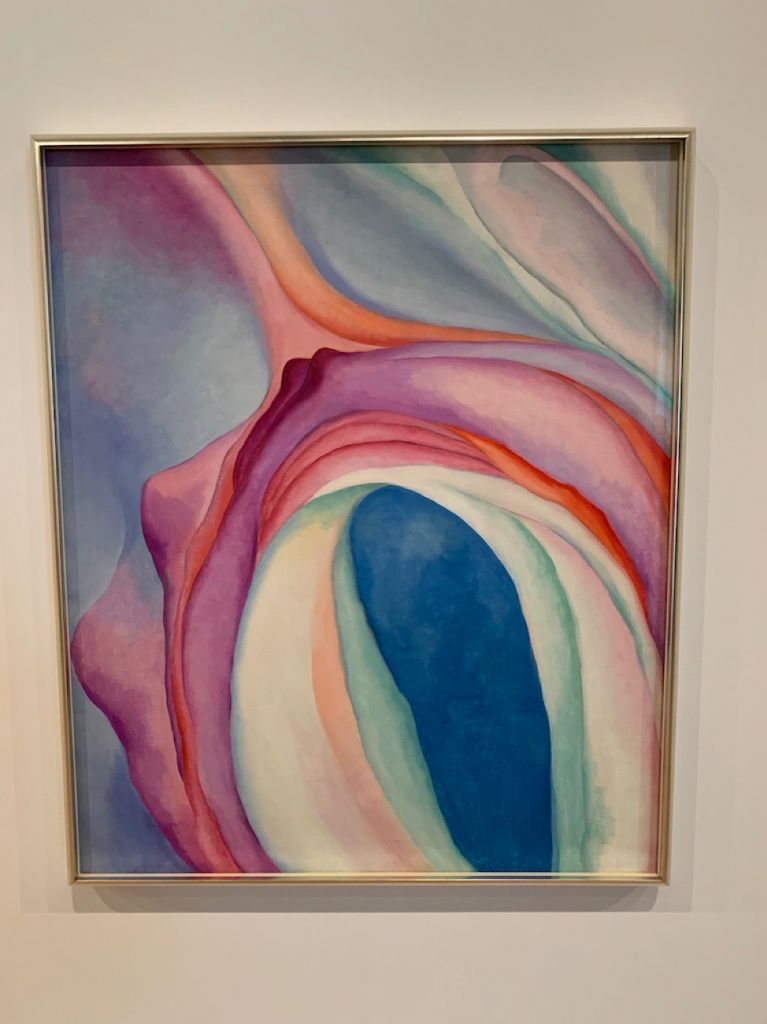
Georgia O’Keeffe :
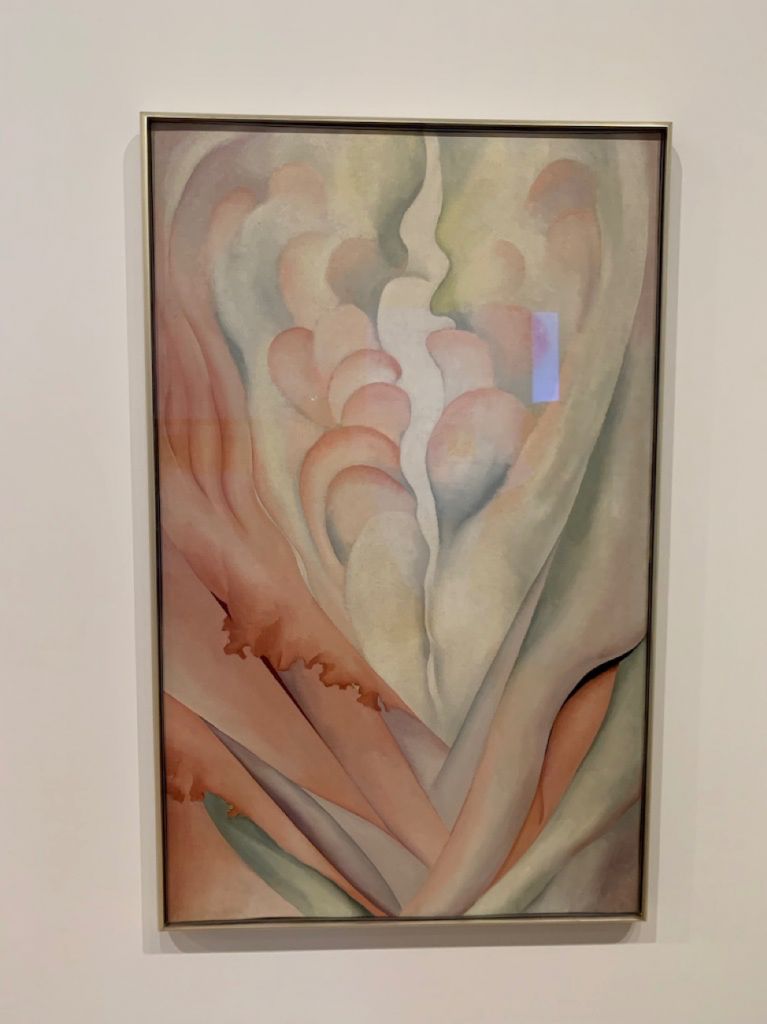
Georgia O’Keeffe : Sun Prairie
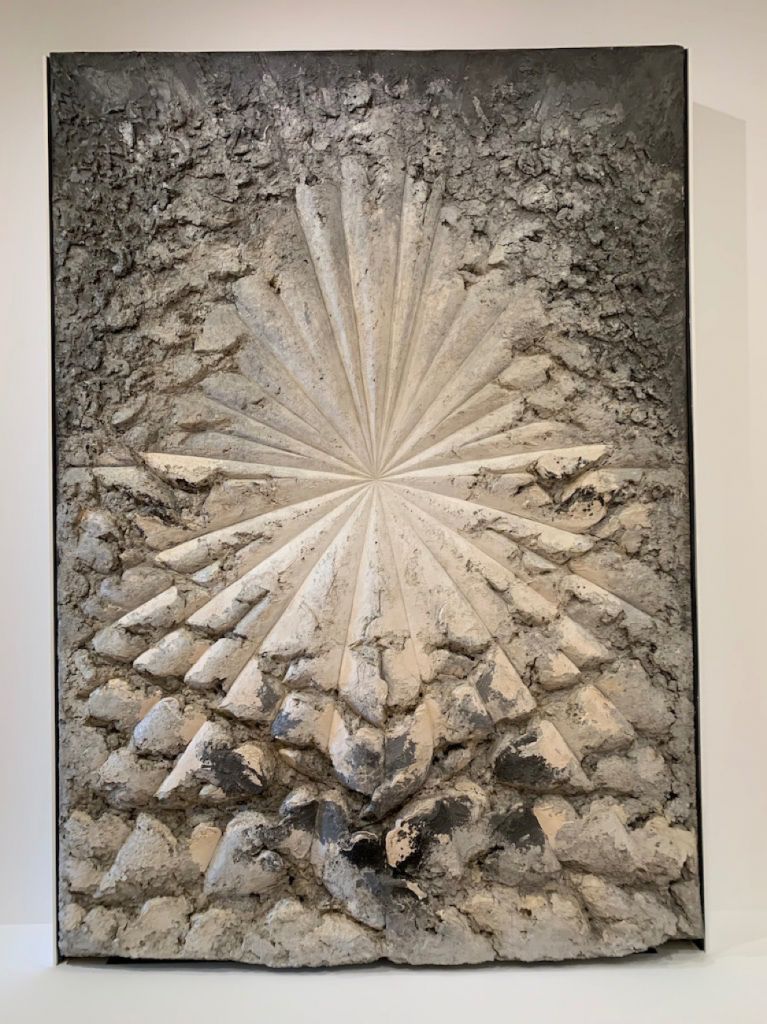
Jay DeFeo- The Rose
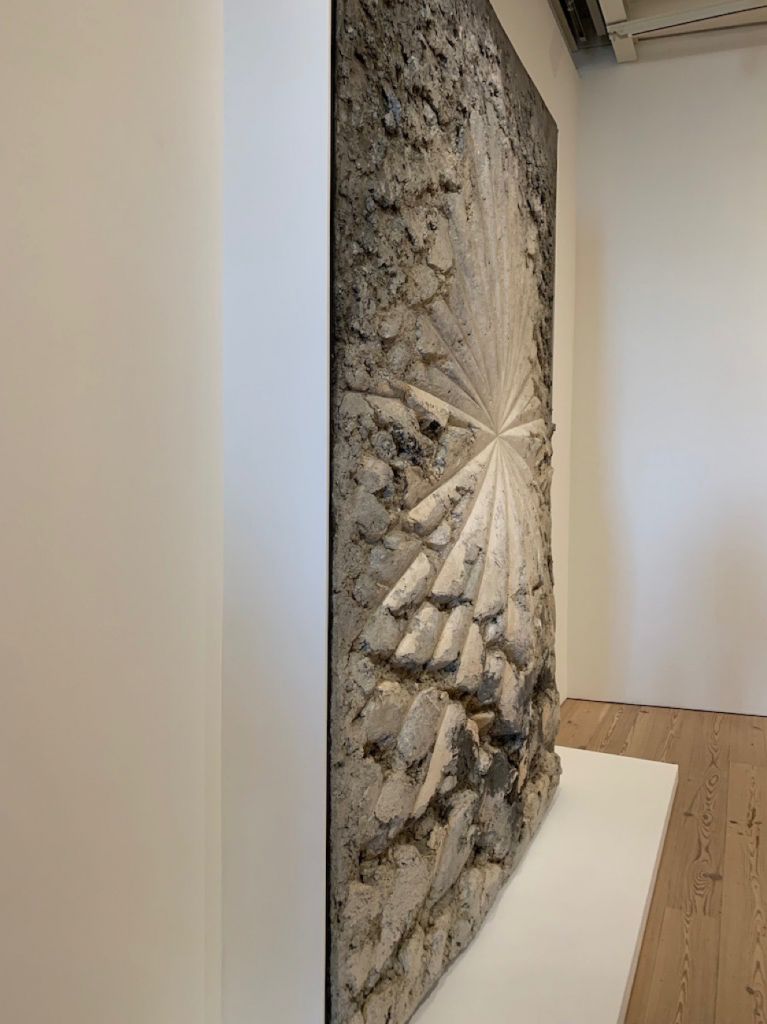
Jay DeFeo- The Rose
Jay DeFeo began this monumental work simply as an “idea that had a center to it.” Initially, the painting measured approximately 9 x 7 feet and was called Deathrose, but in 1959, the artist transferred the work onto a larger canvas with the help of friends. She continued to work on The Rose for the next seven years, applying thick paint, then chiseling it away, inserting wooden dowels to help support the heavier areas of impasto. Now nearly eleven feet tall and weighing almost a ton, the work’s dense, multi-layered surface became, in DeFeo’s words, “a marriage between painting and sculpture.”
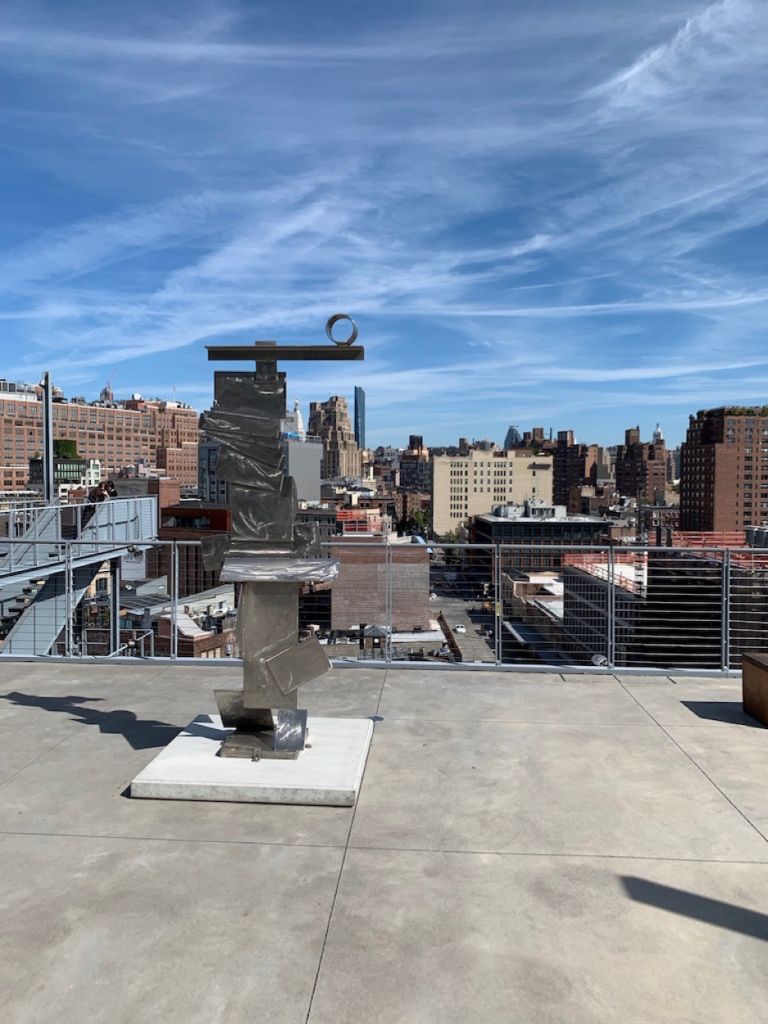
View from the patio

Jasper Johns- Three Flags
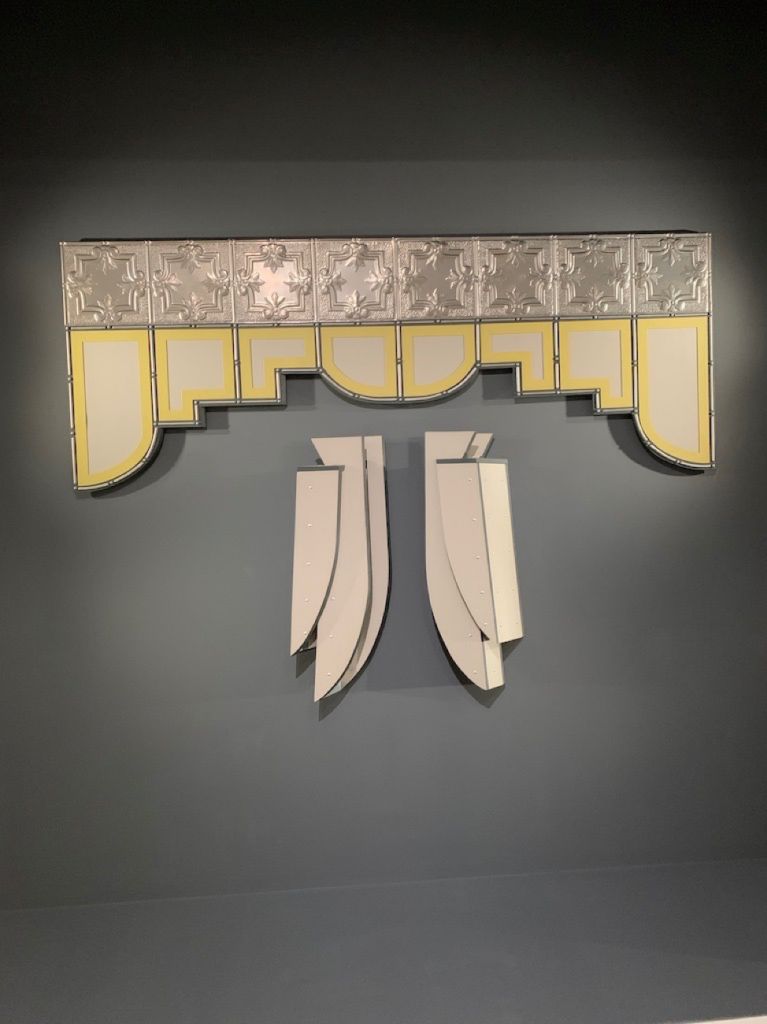
Diane Simpson
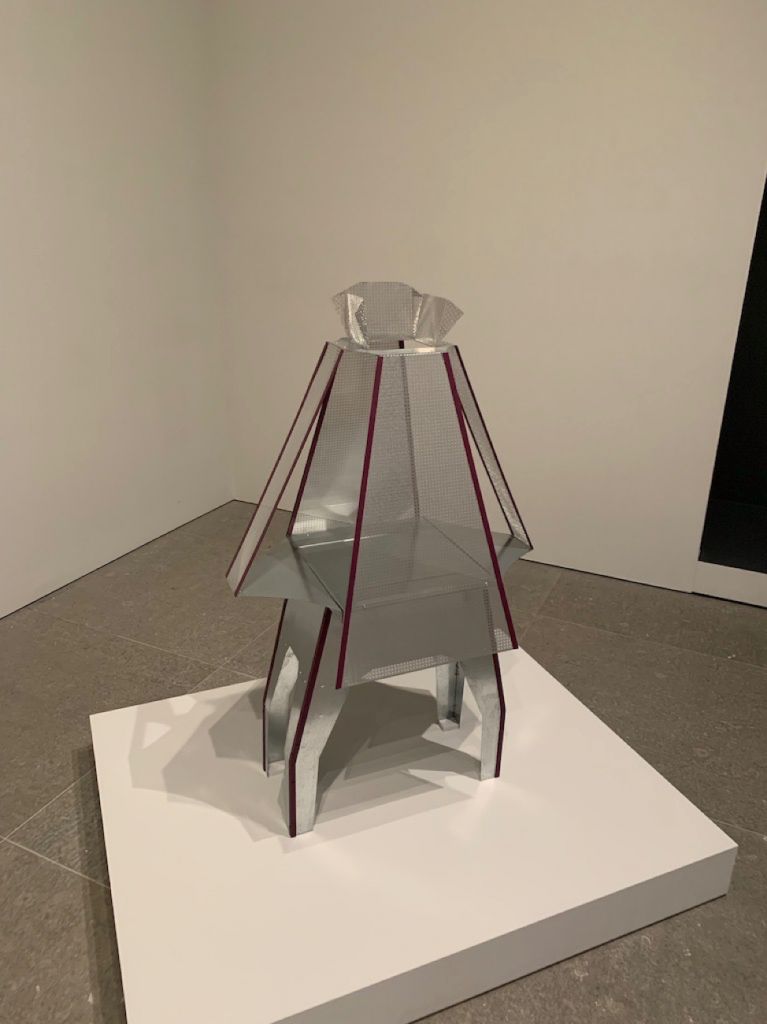
Diane Simpson
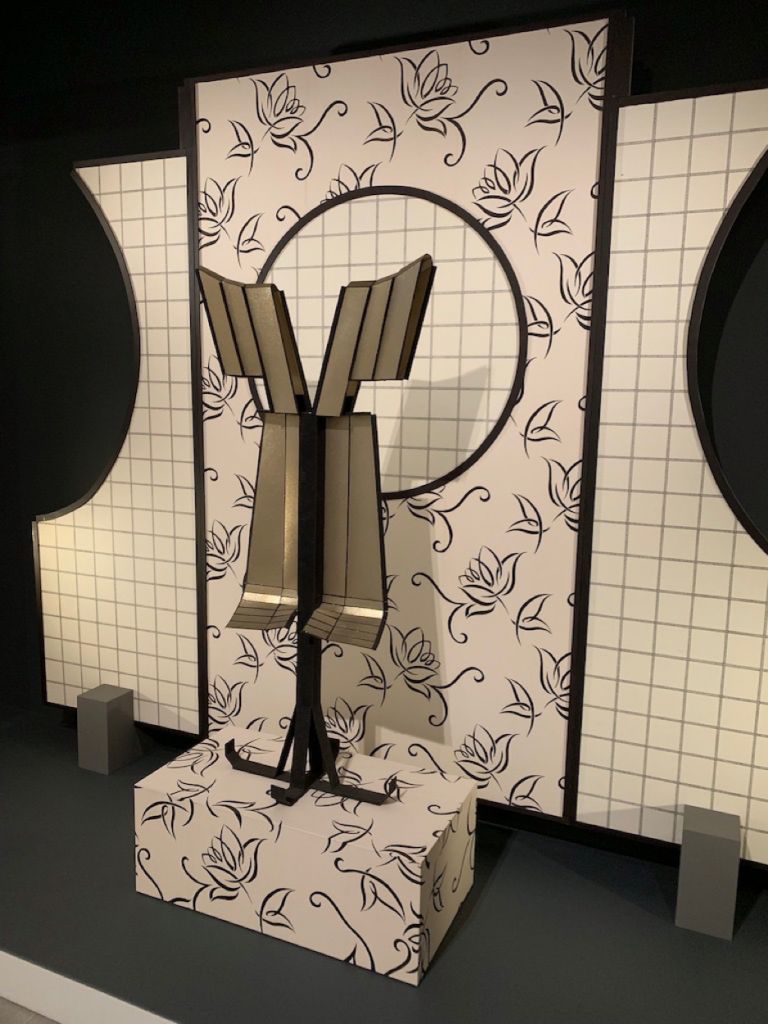
Diane Simpson
Simpson’s sculptures and drawings gain their conceptual traction from the slippage between perception and representation. They are at once familiar but abstracted, anthropomorphic but unfeasible, entreating but hermetic, three-dimensional but flattened. Her oeuvre involves complex amalgamations of historically-sourced subject matter — predominantly clothing and architecture — that she meticulously reconstructs out of carefully considered materials. The sculptures read as nuanced takes on the subjects that inspired them, as well as highly original structures in their own right, but also, of course, contain something of the personal history of the artist herself.
Very strong art deco influence.
Simpson’s art centers around a three-step process: take a subject, create a unique two-dimensional isometric drawing of that subject, and render this drawing into a three-dimensional sculpture.
From the Whitney Biennial 2019
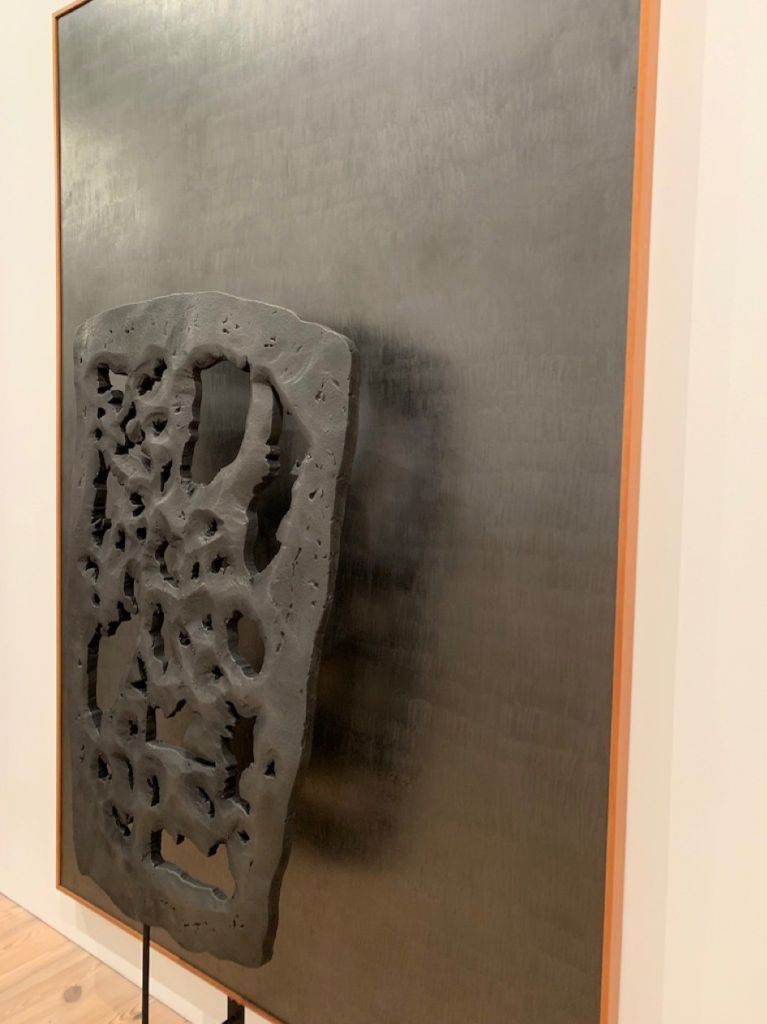
Gala Porras-Kim
Gala Porras-Kim’s work questions how knowledge is acquired and tests the potential of the art object to function as an epistemological tool outside of its traditional historical context. Her recent work examines the ultimate and literal signifier of culture: language, particularly its sounds.
Gala uses the social and political contexts that influence the representation of language and history to make art objects through the learning process. The work comes from a research-based practice that questions how intangible things; sounds, language and history, have been represented through different methodologies such as linguistics and conservation, taking into account the way in which people use the sounds that make up communication with an object.
The interaction between two elements makes his work almost become sculpture and the interpenetration in time makes me rethink what is new or old now a days.
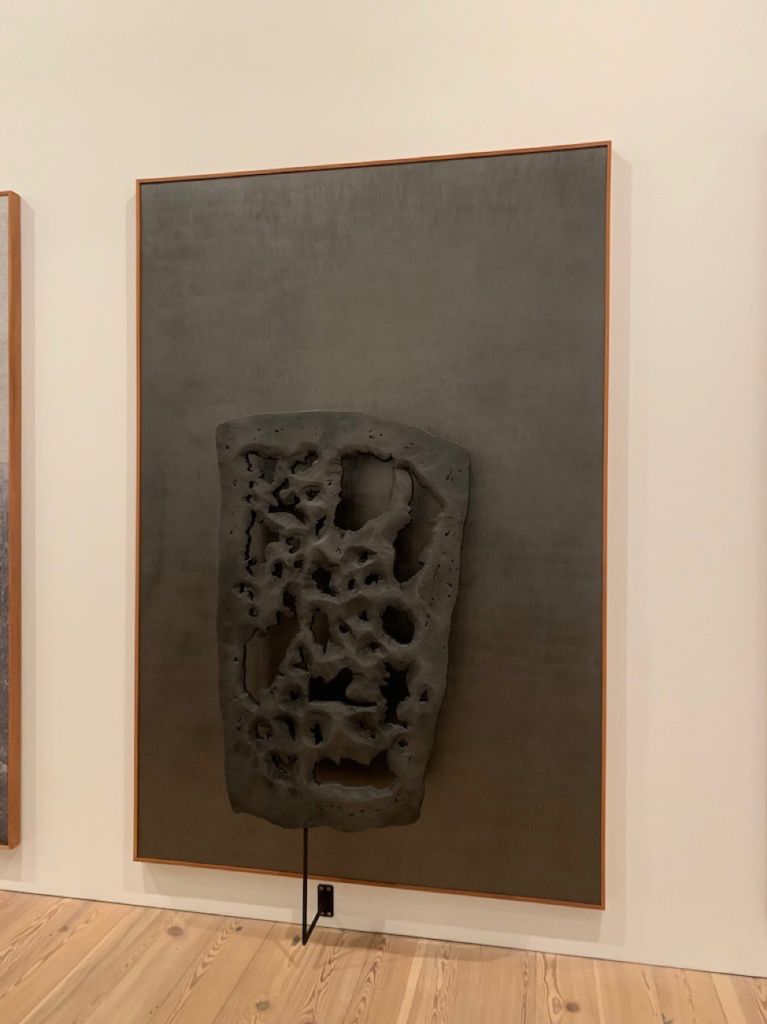
Gala Porras-Kim
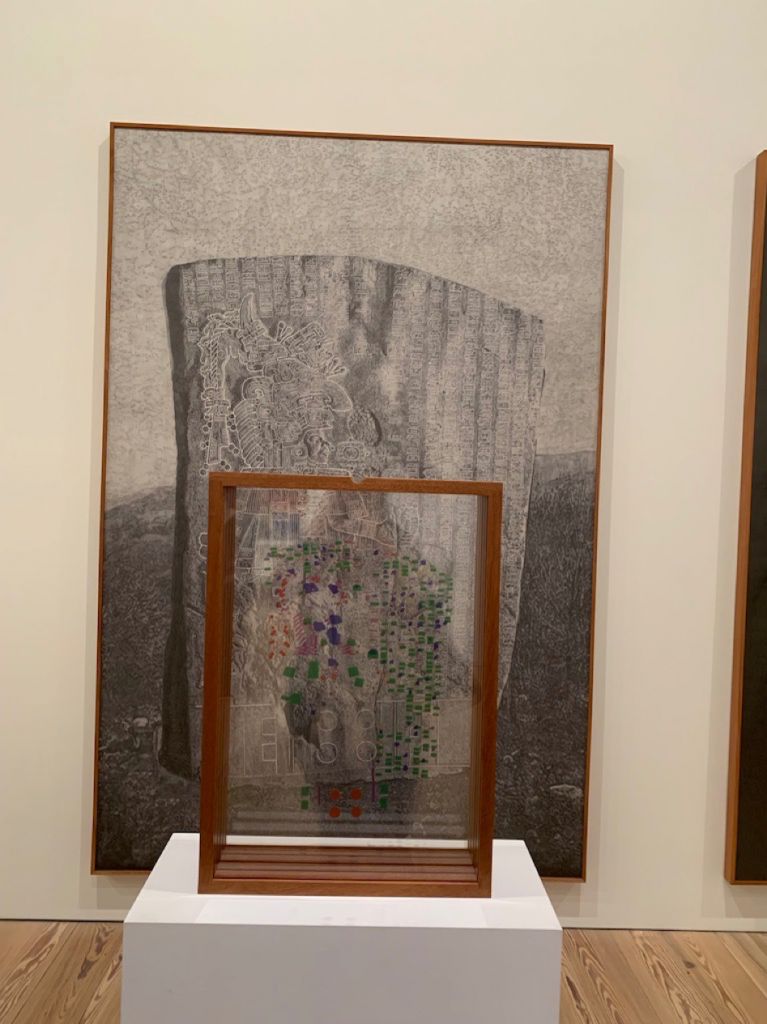
Gala Porras-Kim
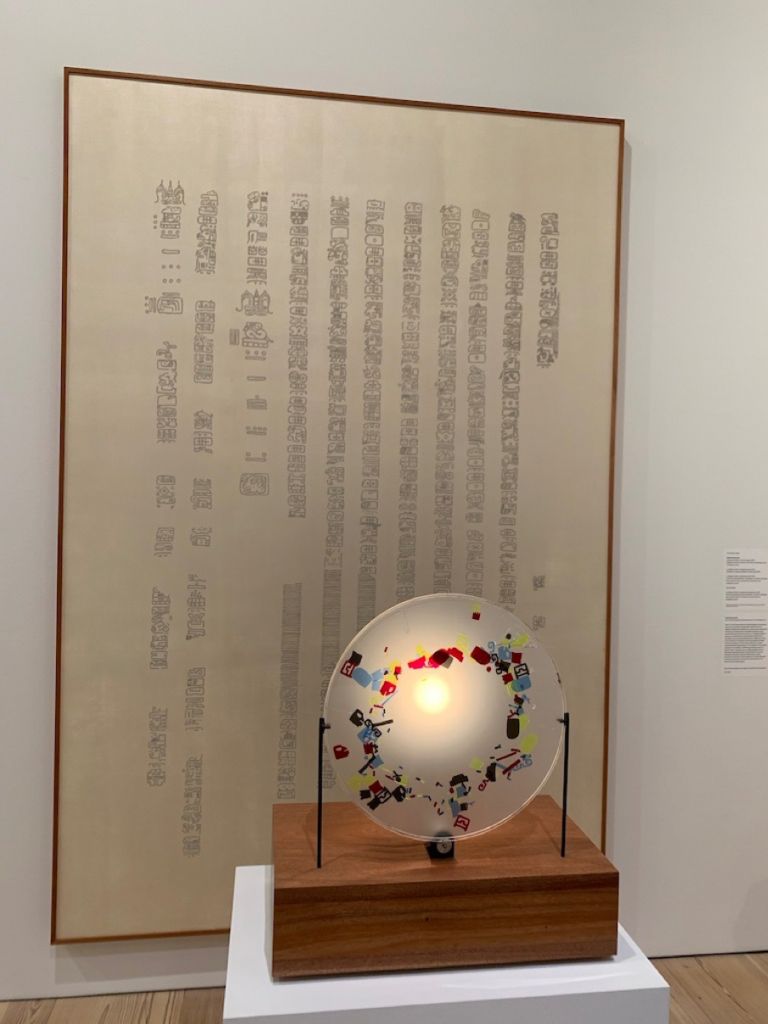
Gala Porras-Kim
Todd Gray
Todd Gray works in photography, performance and sculpture. Gray’s most recent photo works are comprised of photographs gathered from his own archive and recontextualized via their juxtaposition with one another and the use of antique frames as a structuring device.
The idea of making almost a collage from frames and photographs is very original for me. I like the subject matter because he used the photos from his arcave in Gana Africa and he combined them with more actual photos and then takesa microscope view from the cosmos to reveal where we are. Creating his own identity being a plurality of identification.
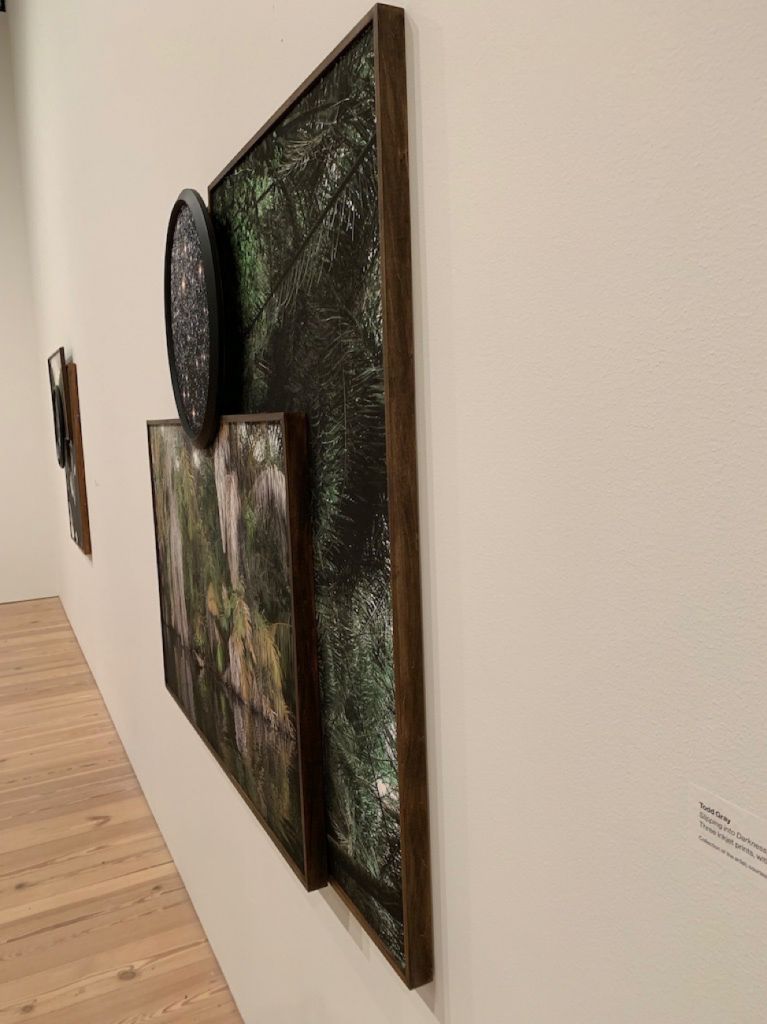
Todd Gray
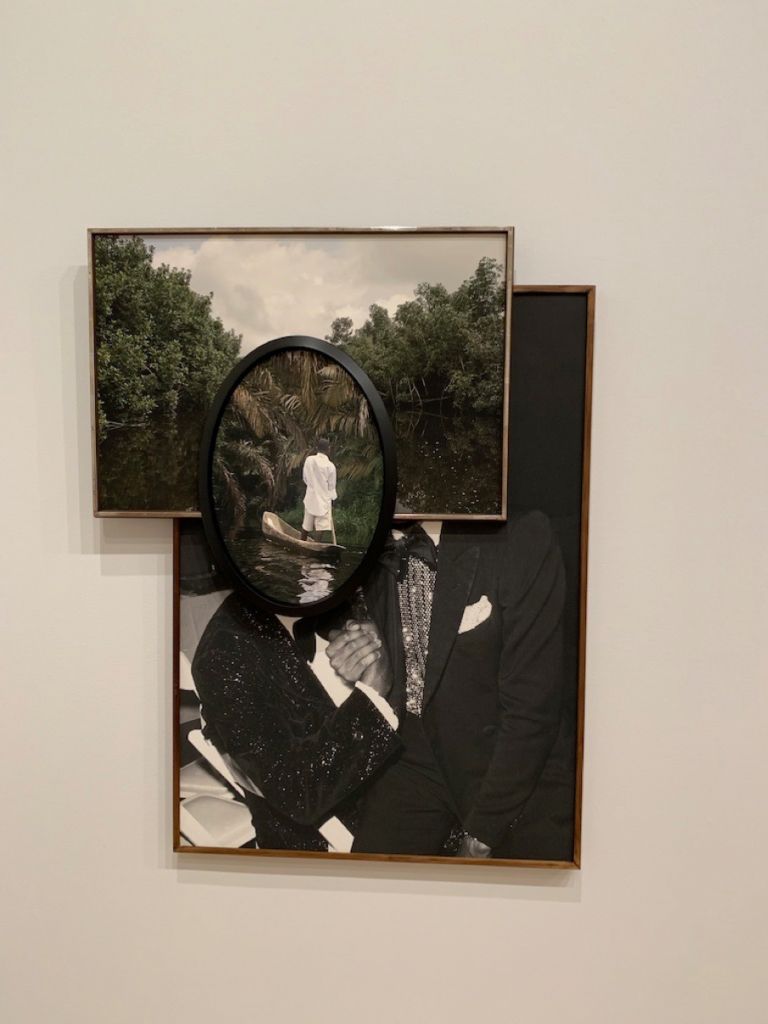
Todd Gray
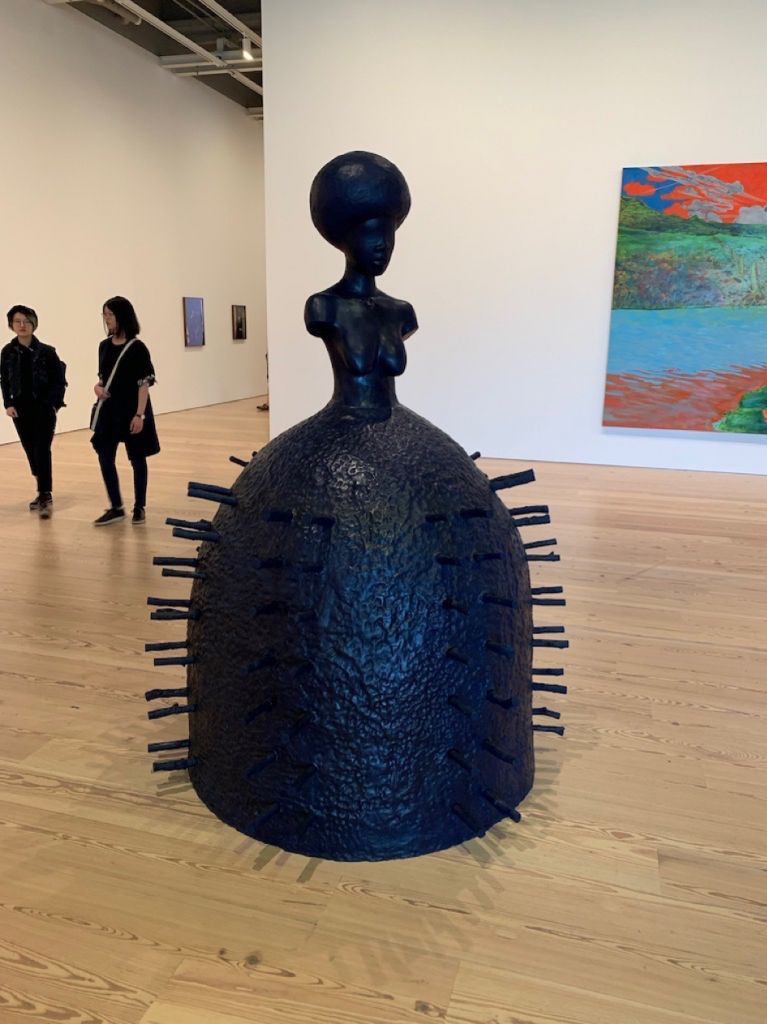
Simone Leigh
I have seen her at the Guggenheim and also at the High Line. She won a Hugo Boss Prize in 2018 among others contexts.
She believes the way to understand a sculpture is to relate it to your own body. She enjoys working large, using her entire mind and body to make the work the Jud body have a remanence from the 20th century African sculptures, and now there is a more contemporary representation in her head; the way she used her hair and a more actual contextualization from black Afro-American women
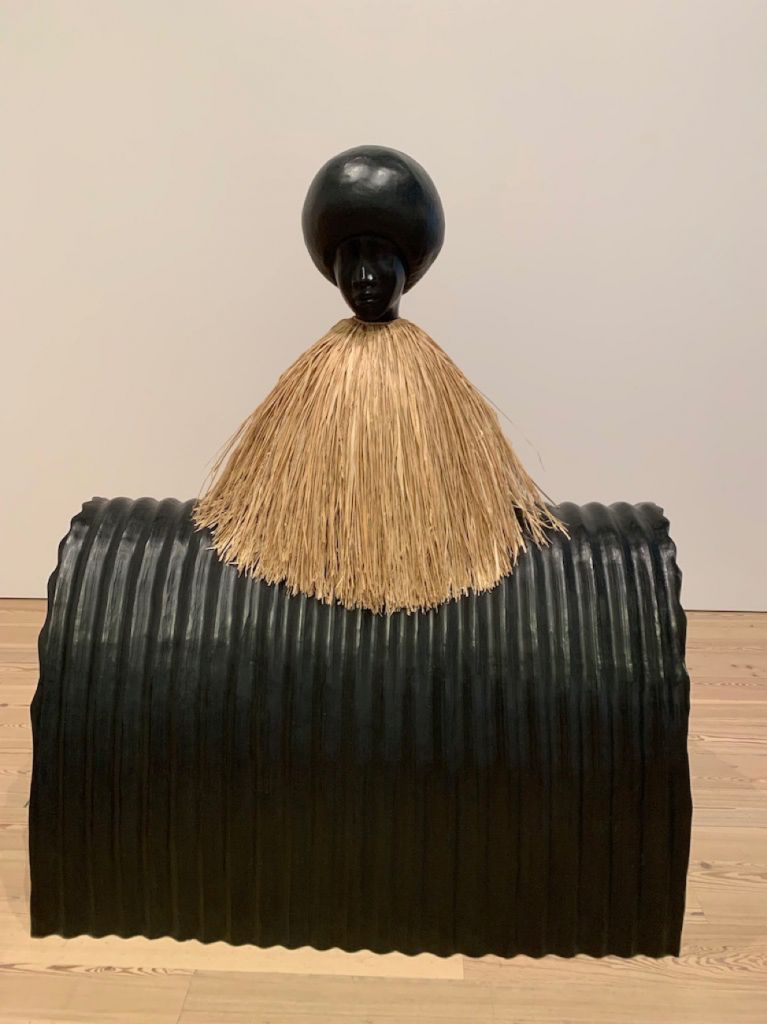
Simone Leigh
View from the Whitney glass