Directions from Penn Station to Derek Fordjour’s Studio:
From Penn Station take the E train towards Queens. Take the E train 5 stops to Lexington Ave. and 53rd St. Get off the train and exit the station. Walk to 51st St. to transfer to the 6 train. Get on the 6 train uptown towards the Bronx. Get off at Cypress Ave. and walk about 5 min to arrive at 728 E. 136th St. .
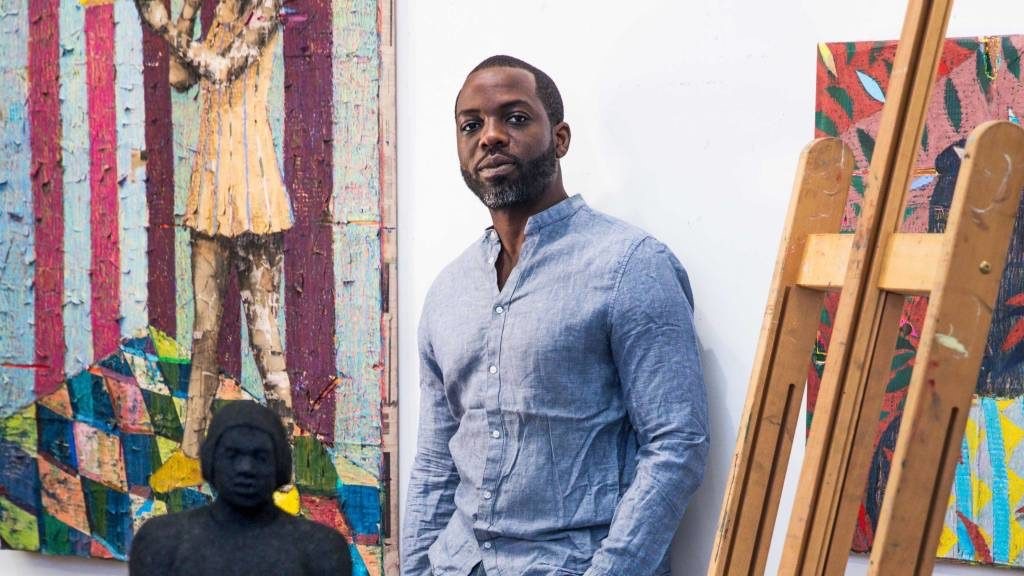
Derek Fordjour’s Studio
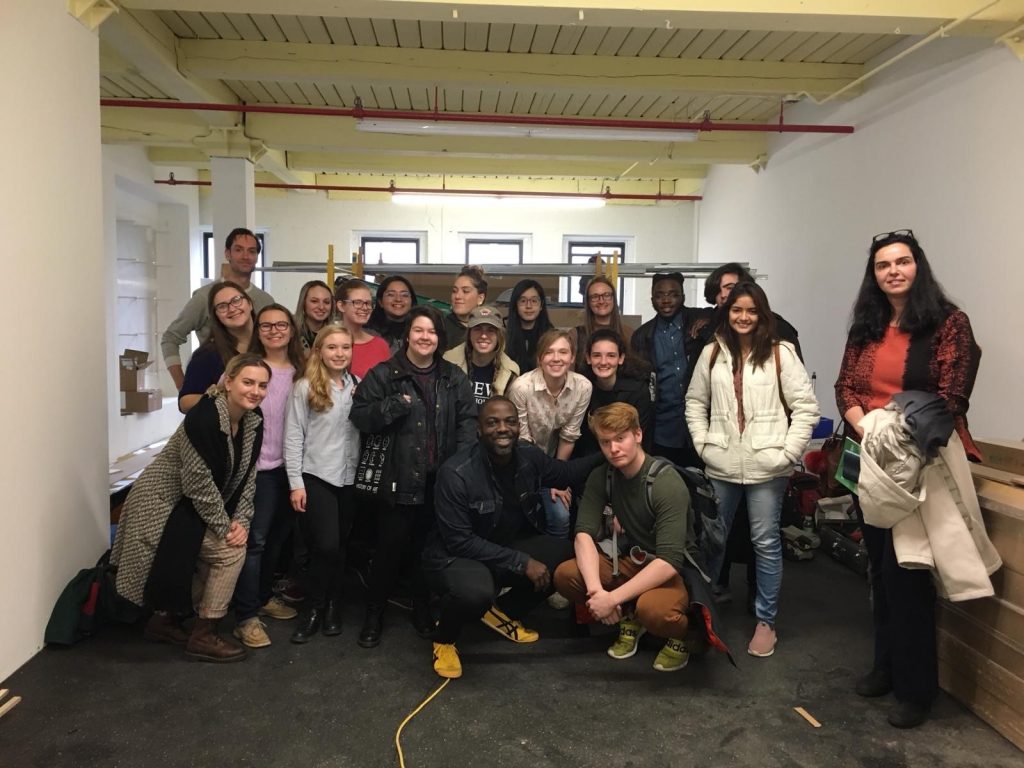
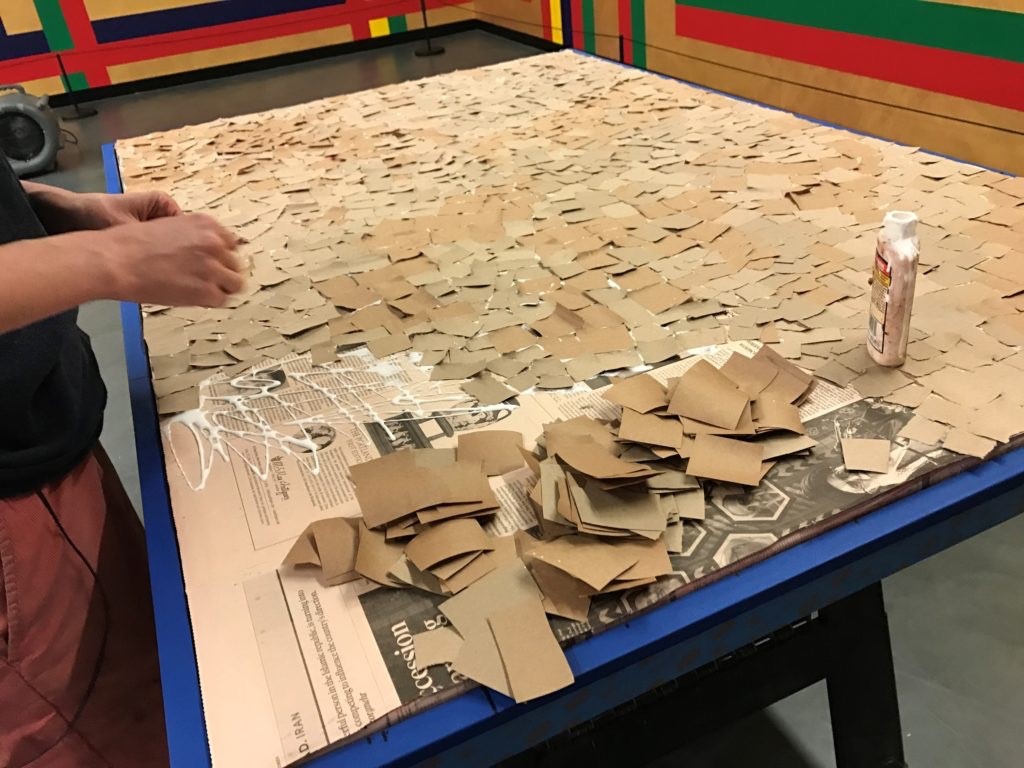
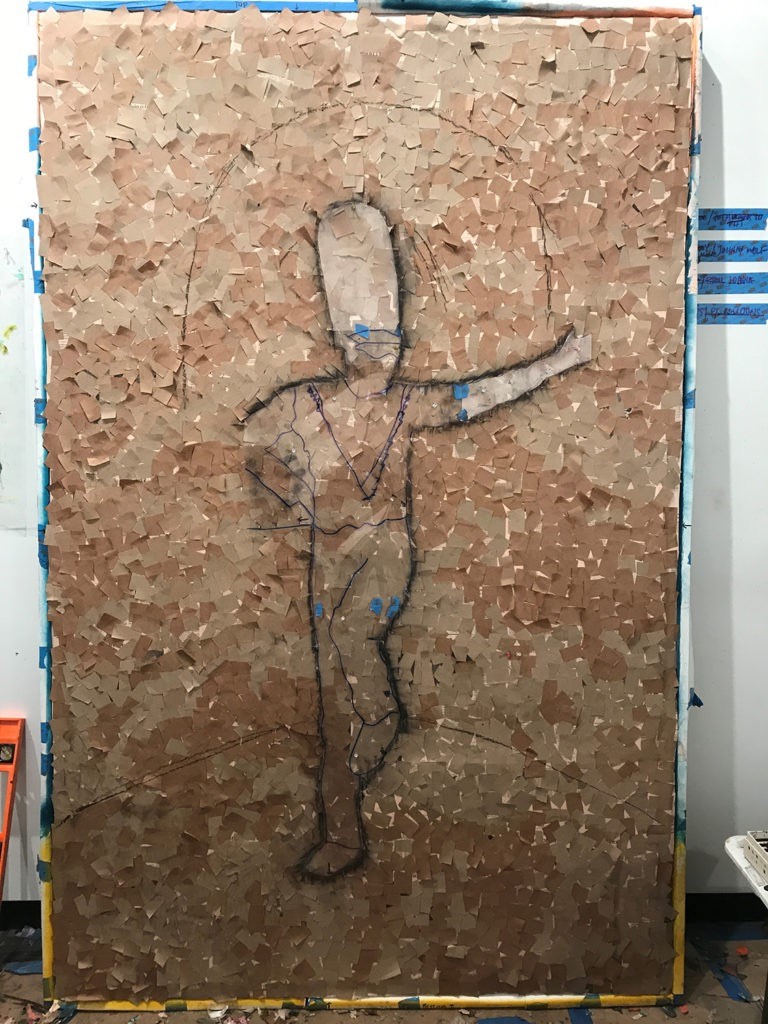
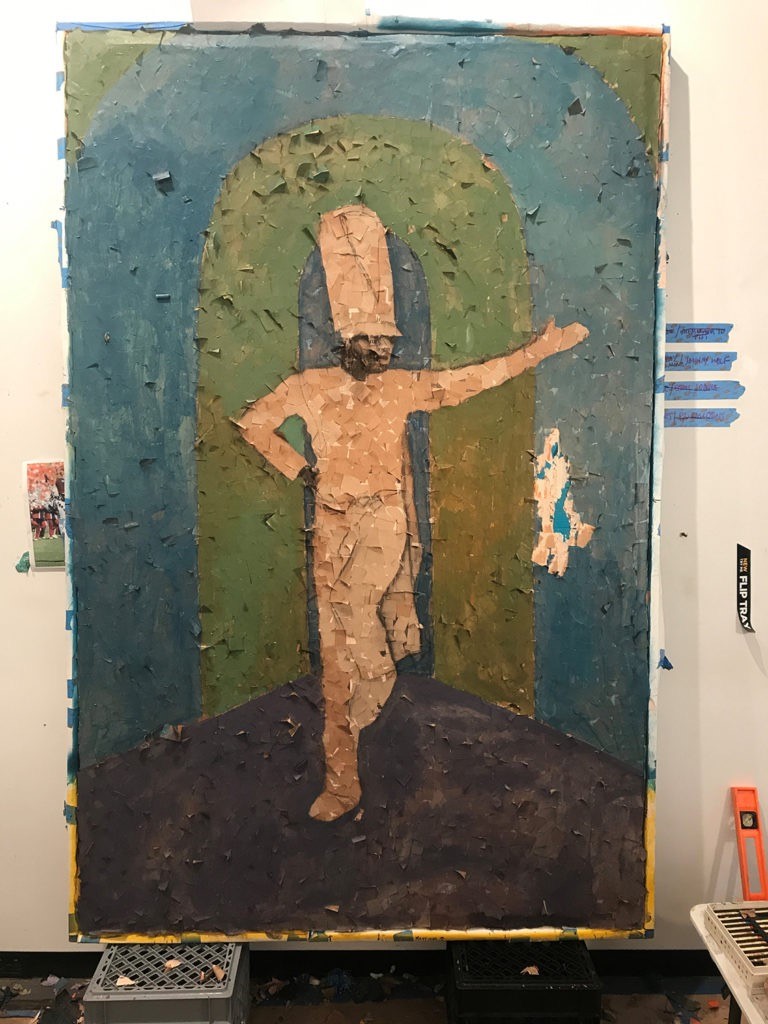
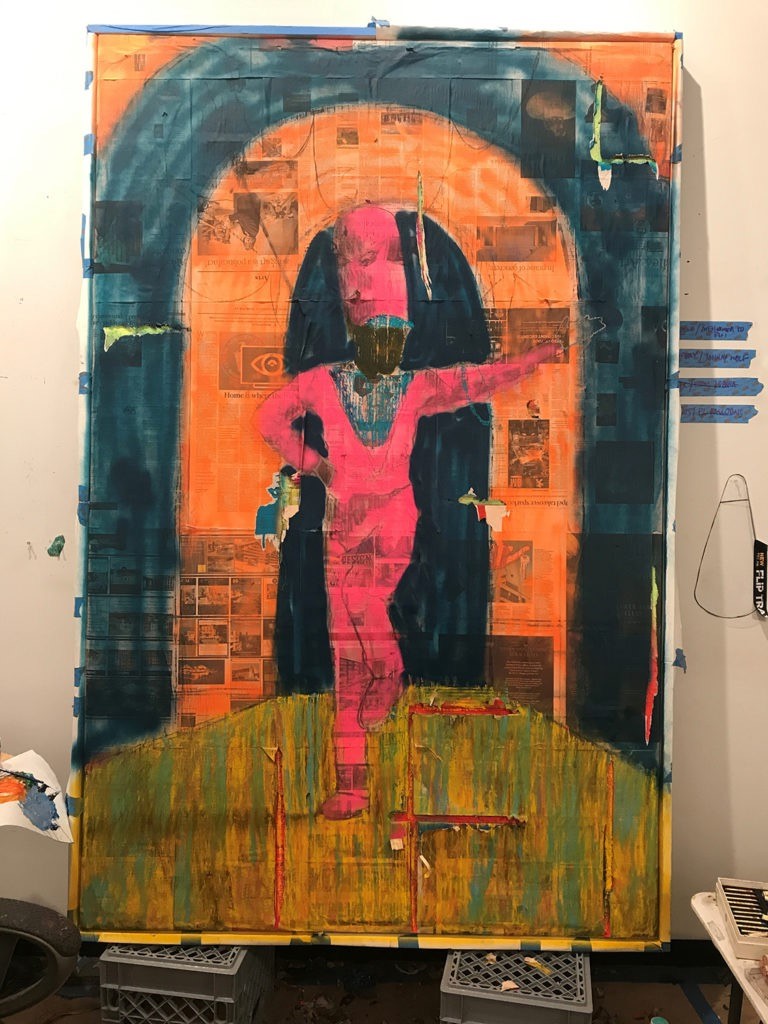
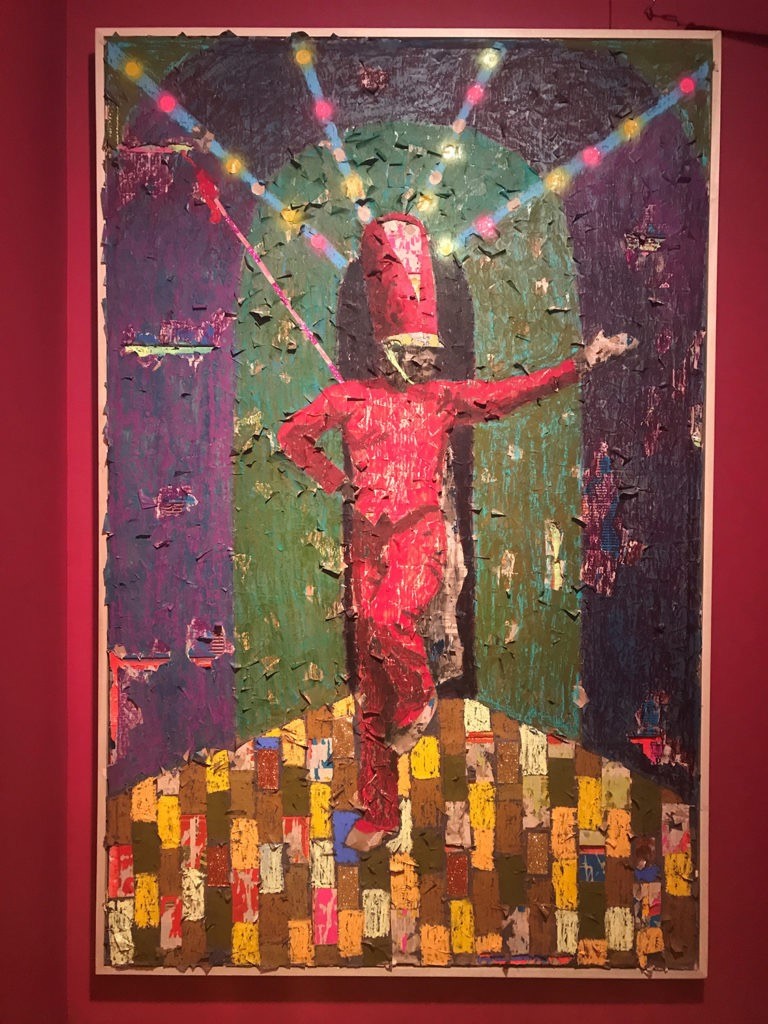
We went to Derek’s studio in south Bronx and we witnessed his way of producing paintings.
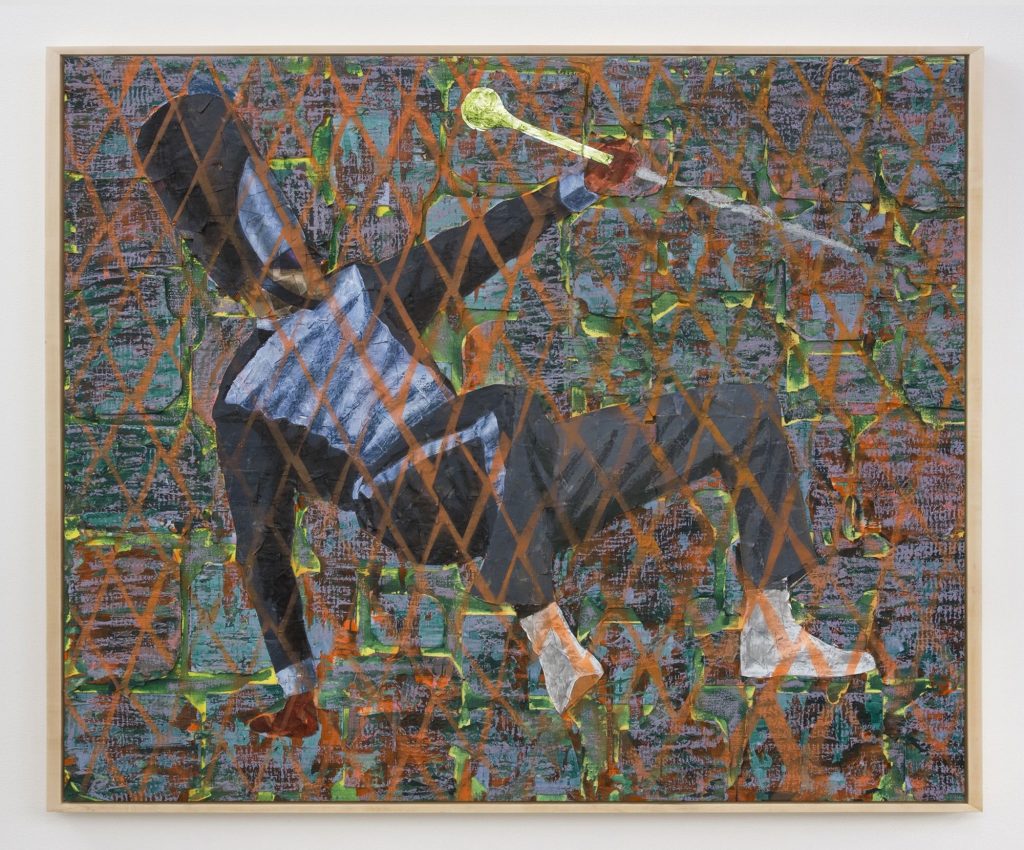
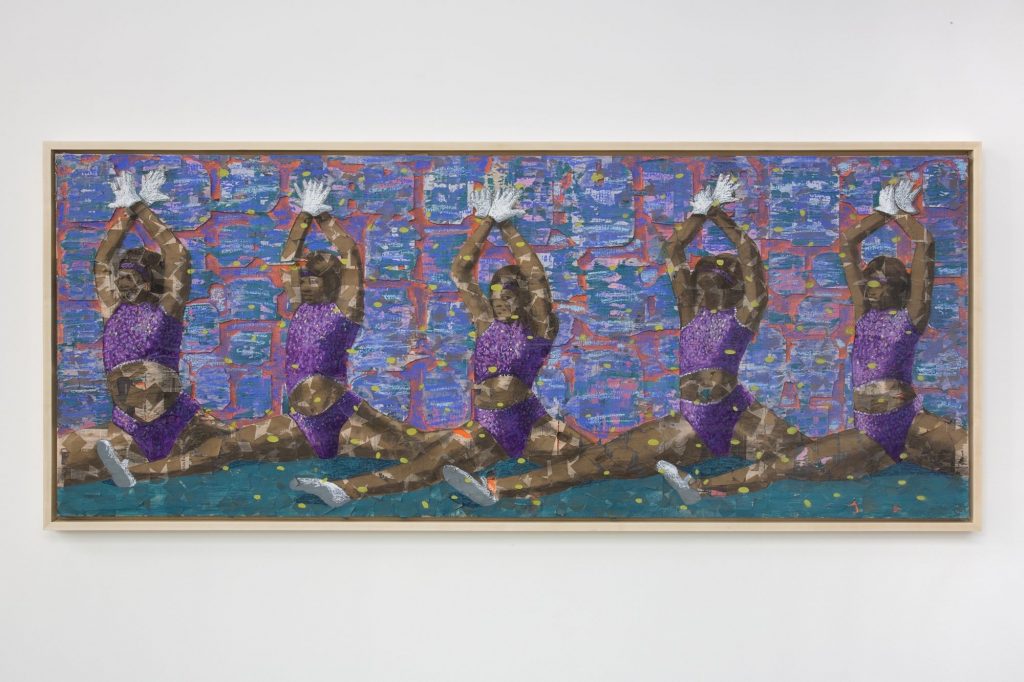
He likes to create an irregular surface from cardboard and old newspaper because he came from Ghana in Africa and he grew up using second hand products, clothes and goods. Using second hand is a way to transform old things into new ones. So he likes to reuse material to create his surfaces in the pre-operation to the actual work of painting. Nowadays, he has someone to do this preparation for him, he also has a very nice assistant who gets in contact with museums and galleries and takes care of all the emails and procedures in order to prepare an exhibition. Today, he is working with 3 different galleries, one in New York, one in London and another in Los Angeles. This administrative assistant manages his social media accounts, organizes visits, does the interface with galleries, because each gallery selects one person to work with the artist and this persons needs feedback about the work the artist is working at the moment. She also organizes Art Fairs, giving information out about the art work, and what is happening in progress until the next show. She handles shipping, buys all the supplies, organizes all the resources he needs. She is also in contact with a charity who wants pieces from the artist to do auctions. The artist usually gives talks in universities as well as other places and the assistant organizes that as well.
Derek’s process is emerging something that was already used and producing in a creative way something new using charcoal, acrylic and pastel.
He thinks invention is a good think in contemporary art and he recreated a new surface, he creates an imperfect surface from cheap material and he likes it bumpy. Invention is really important and he thinks we all should follow our instincts. Now he is studying the possibility of using rice in his surface.
For him, your work should like and sounds like the artist who made it. It’s a commodity and has a commercial viability and should be run as a business.
Art should check 3 boxes.
- The artist should make personal things
- Have universal appeal
- Museum quality
The artist gets new skills each new level of production and should keep working until they find this museum quality level, dedicating a big part of the day to producing art. Make art the center of the life. Spend time mentally free to think on the work that is in progress.
The artist should treat art as a business and learn from whom are doing better than him, by asking question and being close to other artists. But always remember that being persistent is different than being annoying.
We can learn from you tube videos. Sotheby’s is also in you tube so you can learn the role of the dealer, and the difference from the adviser.
Why you don’t sell directly and why you need a dealer.
It’s very important to protect the pure side that exist inside each of us and realize that artists are insane and we have different instincts and that is a difficult road because art doesn’t make sense.
Now he is making a installation in LA with robots making noise as if it was rain on top of a tent.
For him we should learn from other artists and steal great ideas.
I learned a lot in that visit and it really opened my mind about how its important to treat art as a business.